
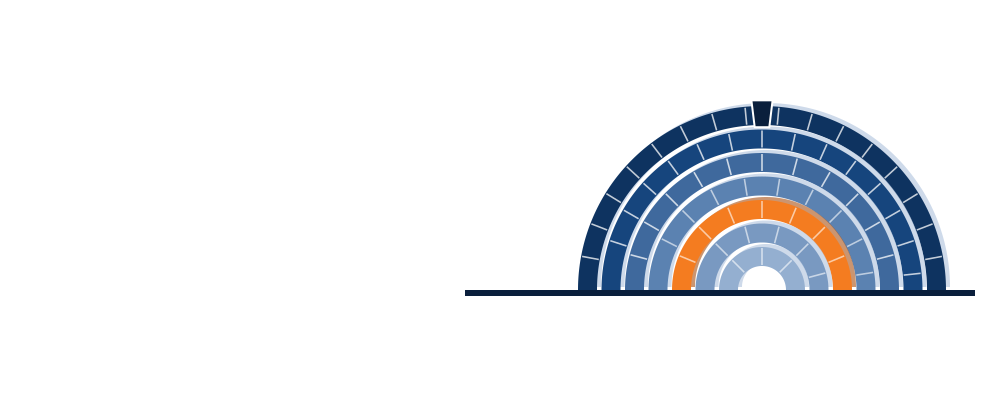
The clauses at a glance
| Clause | Title | In short | Sub-clauses |
|---|---|---|---|
| 4 | Context of the organization | Know your situation, stakeholders and scope | 4.1–4.4 |
| 5 | Leadership | Top management owns the ISMS | 5.1–5.3 |
| 6 | Planning | Risk assessment, risk treatment, objectives, changes | 6.1.1–6.1.3, 6.2, 6.3 |
| 7 | Support | Resources, competence, awareness, communication, documents | 7.1–7.5 |
| 8 | Operation | Do what you planned, and keep assessing risk | 8.1–8.3 |
| 9 | Performance evaluation | Measure, audit internally, review as management | 9.1, 9.2, 9.3 |
| 10 | Improvement | Keep improving and fix nonconformities | 10.1, 10.2 |
Why clauses 0 to 3 aren’t audited
The first four sections set the scene rather than ask anything of you. Clause 0 is the introduction, clause 1 defines the standard’s scope, clause 2 lists ISO/IEC 27000 as a normative reference and clause 3 points to that document for terms and definitions. Clause 1 does contain one rule that matters: you cannot exclude any of clauses 4 to 10 and still claim conformity. That is the key difference from Annex A, where justified exclusions are normal.
The shared structure behind ISO management systems
Clauses 4 to 10 follow the harmonised structure set out in Annex SL of the ISO/IEC Directives. ISO 9001, ISO 14001, ISO 45001, ISO 22301 and ISO 42001 use the same clause numbers, titles and much of the same core text. Each standard then adds its own discipline-specific requirements, which for ISO 27001 are mostly the risk clauses in 6.1 and 8.
This is why integrated management systems are practical. One management review, one internal audit programme, one document control process and one corrective action log can serve several certifications, and certification bodies can audit them together. If you add ISO 42001 or ISO 9001 later, most of the management system work is already done.
Clause 4: Context of the organization
| Sub-clause | What it asks for | Evidence auditors look for |
|---|---|---|
| 4.1 Understanding the organization and its context | Identify the internal and external issues that affect what your ISMS needs to achieve. Since Amendment 1:2024, decide whether climate change is one of them | A context analysis, often a short issues list or SWOT, kept current |
| 4.2 Understanding the needs and expectations of interested parties | Identify who has a stake in your ISMS, what they require, and (new in 2022) which of those requirements the ISMS will address. Amendment 1 adds a note that these can include climate-related requirements | An interested parties register linking customers, regulators, staff and suppliers to their requirements |
| 4.3 Determining the scope of the ISMS | Set the boundaries of the ISMS, taking account of 4.1, 4.2 and the interfaces and dependencies with other organisations, such as cloud providers | A documented scope statement that matches what the certificate will say |
| 4.4 Information security management system | Establish, implement, maintain and continually improve the ISMS, including the processes it needs and how they interact | The ISMS as a whole; often a simple process map or manual |
Common SME gap: a scope that is either vague (“the business”) or quietly excludes the system customers actually care about, and context documents written once and never connected to the risk register.
Clause 5: Leadership
| Sub-clause | What it asks for | Evidence auditors look for |
|---|---|---|
| 5.1 Leadership and commitment | Top management must show they drive the ISMS: aligning it with strategy, building it into business processes, providing resources and supporting others in their roles | Interviews with leaders, management review minutes, budget and resourcing decisions |
| 5.2 Policy | An information security policy suited to your purpose, with objectives or a framework for setting them and commitments to meeting requirements and improving | An approved, dated policy that staff can find and that is shared with interested parties where appropriate |
| 5.3 Organizational roles, responsibilities and authorities | Assign and communicate security responsibilities, including who ensures the ISMS conforms and who reports its performance to top management | Role descriptions, a RACI or ISMS roles document, and people who know their role |
Common SME gap: the ISMS is delegated entirely to one technical person, and the founder or CEO can’t explain the policy or the top risks when interviewed. Auditors notice.
Clause 6: Planning
| Sub-clause | What it asks for | Evidence auditors look for |
|---|---|---|
| 6.1.1 General | Determine the risks and opportunities, drawn from 4.1 and 4.2, that could stop the ISMS achieving its outcomes, and plan how to address them | Links between context, interested parties and the risk register |
| 6.1.2 Information security risk assessment | Define a repeatable risk assessment process with risk acceptance criteria, identify risks to confidentiality, integrity and availability, assign risk owners, then analyse, evaluate and prioritise | A documented method and a current risk register with owners and scores |
| 6.1.3 Information security risk treatment | Choose treatment options, determine the controls needed, compare them with Annex A, produce a Statement of Applicability and a risk treatment plan, and get risk owners to approve the plan and accept residual risk | Risk treatment plan, SoA, and recorded owner approval |
| 6.2 Information security objectives and planning to achieve them | Set objectives consistent with the policy, measurable if practicable, and plan what will be done, by whom, by when and how results will be judged. Objectives must be documented, and since 2022 they must also be monitored | Objectives with targets, owners and progress tracking |
| 6.3 Planning of changes | New in 2022: when the ISMS needs to change, make the change in a planned way | Change records for the ISMS itself, such as a scope extension or new tooling |
Common SME gap: objectives that can’t be measured (“improve security”), and risk treatment plans that nobody with authority has signed off. Our risk assessment guide walks through 6.1.2 and 6.1.3 step by step.
Clause 7: Support
| Sub-clause | What it asks for | Evidence auditors look for |
|---|---|---|
| 7.1 Resources | Provide the people, time, tools and budget the ISMS needs | Evidence that resourcing was considered, usually in management review |
| 7.2 Competence | Decide what competence security roles need, make sure people have it, close gaps and check that worked | Training records, qualifications, competence matrix |
| 7.3 Awareness | Everyone working under your control knows the policy, how they contribute and what happens if they don’t follow it | Awareness training completion and staff who can answer basic questions |
| 7.4 Communication | Decide what you communicate about security, when, to whom and how | A communication plan or table, and examples of it happening |
| 7.5 Documented information | Keep the documents the standard requires and those you need, create them properly (7.5.2) and control them: access, versions, storage, retention and disposal (7.5.3) | Version control, approval records, a document register |
Common SME gap: training records for the security lead but nothing showing competence for others with security duties, such as developers or IT providers. For what must be written down, see ISO 27001 required documents.
Clause 8: Operation
| Sub-clause | What it asks for | Evidence auditors look for |
|---|---|---|
| 8.1 Operational planning and control | Plan, run and control the processes that meet your requirements, set criteria for them, manage planned changes, review unintended ones, and control externally provided processes, products or services relevant to the ISMS | Evidence that controls operate as described, change records, supplier oversight |
| 8.2 Information security risk assessment | Repeat the risk assessment at planned intervals and when significant change happens | Dated risk assessment results, including after major changes |
| 8.3 Information security risk treatment | Carry out the risk treatment plan | Treatment actions completed or progressing, with results retained |
Common SME gap: clause 8 is where planning meets reality. The usual finding is a risk register last touched at implementation, even though the business has since moved platforms, added a key supplier or launched a product.
Clause 9: Performance evaluation
| Sub-clause | What it asks for | Evidence auditors look for |
|---|---|---|
| 9.1 Monitoring, measurement, analysis and evaluation | Decide what to measure, how, when, by whom and when results are analysed, then evaluate how the ISMS is performing | Metrics with results over time, not just a list of intended metrics |
| 9.2 Internal audit (9.2.1 General, 9.2.2 Internal audit programme) | Audit the ISMS at planned intervals against your own requirements and the standard. Plan a programme, define criteria and scope for each audit, choose auditors who are objective and impartial, and report results to management | Audit programme, audit reports covering the full scope, and auditor independence |
| 9.3 Management review (9.3.1 General, 9.3.2 Inputs, 9.3.3 Results) | Top management reviews the ISMS at planned intervals, covering set inputs such as audit results, risk status, changes in issues and (new in 2022) interested parties’ needs, and records decisions on improvements and changes | Minutes that address every input and record decisions |
Common SME gap: the internal audit is done by the person who built the ISMS, which fails the impartiality test, and management review minutes that skip required inputs. A certification body expects both to be complete before Stage 2, and they recur every year of the audit cycle.
Clause 10: Improvement
| Sub-clause | What it asks for | Evidence auditors look for |
|---|---|---|
| 10.1 Continual improvement | Keep improving the suitability, adequacy and effectiveness of the ISMS | Improvements actually made, traceable to audits, incidents, metrics or reviews |
| 10.2 Nonconformity and corrective action | When something goes wrong, contain and correct it, find the root cause, check whether it could happen elsewhere, act, and confirm the action worked | A corrective action log with root causes and effectiveness checks |
In the 2013 edition these two sub-clauses were the other way round. The 2022 edition put continual improvement first, in line with the harmonised structure. The content barely changed.
Common SME gap: corrective actions that fix the symptom but record no root cause, and no check that the fix held.
How the clauses connect to Annex A
Annex A is a reference list of 93 controls in four themes, explained in our guide to Annex A controls. It isn’t a separate checklist you complete alongside the clauses. The link is clause 6.1.3: you decide what controls your risks and obligations need, compare that set with Annex A so nothing necessary is missed, and record every Annex A control as included or excluded, with reasons and implementation status, in your Statement of Applicability. You may add controls that aren’t in Annex A.
Clause 8 then requires those controls to operate, clause 9 checks they work and clause 10 fixes them when they don’t. That is why a strong control set with a weak management system around it still fails certification. Making the risk register, SoA and treatment plan line up is often the hardest part to get right, and it is the part we take on for clients in our ISO 27001 implementation.
What changed in the 2022 clauses
- 4.2: decide which interested party requirements the ISMS will address.
- 4.4: the ISMS includes the processes needed and their interactions.
- 6.2: objectives must now be monitored (documenting them was already required).
- 6.3: new sub-clause on planning changes to the ISMS.
- 8.1: set criteria for processes and control externally provided processes, products or services.
- 9.3.2: changes in interested parties’ needs added as a review input.
- 10: 10.1 and 10.2 swapped order.
- Amendment 1:2024: climate change considered in 4.1 and noted in 4.2.
The transition to the 2022 edition has ended, so every valid certificate is now to it. If you are starting from scratch, our guide on how to implement ISO 27001 puts these clauses in order.
Next step
If you are building your own ISMS, the clause that needs most care is 9.2: internal auditors must be objective and impartial, so nobody audits their own work. The auditor can be a trained staff member auditing areas they don’t run, or someone external; in a small team where everyone built part of the ISMS, that often means bringing in an outside auditor. Our independent internal audit is run by a Lead Auditor against every clause and your SoA. If you would rather have the whole system built for you, see how our ISO 27001 service works or book a free 30-minute consultation.